
The United Forum of Bank Unions (UFBU) has been the main voice for bank employees in India for many years. Formed by nine major unions including AIBEA, AIBOC, and others, UFBU organises nationwide strikes when talks with the Indian Banks’ Association (IBA), government, and bank managements fail. These strikes often disrupt public sector banking services and highlight issues like wages, job security, and working conditions.
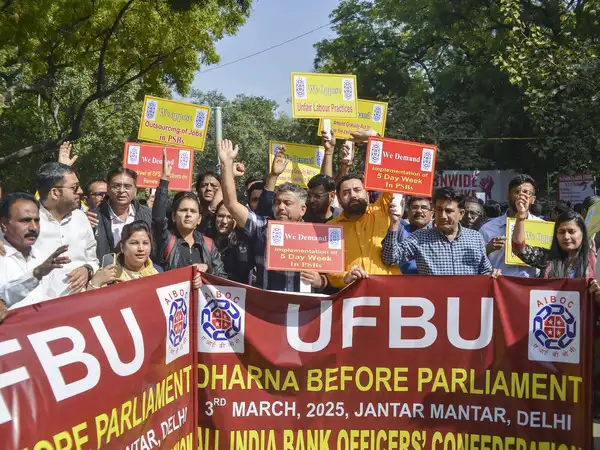
The history of bank strikes in India goes back decades. The first major all-India bank strike happened on September 23, 1954, called by AIBEA alone at that time. It was a landmark action that set the stage for future united protests by bank workers.
Over the years, UFBU has led several big strikes. In February 2008, unions called a two-day nationwide strike on February 25 and 26 over wage-related demands and other service conditions. Management and unions could not reach an agreement then, leading to the action.
In December 2014, around 10 lakh bank employees prepared for a strike on December 18. The reason was the delay in the wage settlement that had expired in October 2012. UFBU pushed for a revised pay structure and better terms.
August 2017 saw another major strike on August 22. About 10 lakh bankers protested against banking sector reforms, including moves towards privatisation and merger policies that unions felt threatened jobs.
In May 2018, UFBU announced a two-day strike on May 30 and 31 after conciliation talks failed. The demands included opposition to bank mergers and better wage negotiations.
March 2021 brought a nationwide strike against the proposed privatisation of two public sector banks. UFBU members protested the government’s plan, saying it would harm public interest and employee security.
January 2023 had unions calling for a strike on January 30 and 31 over similar issues like privatisation and wage delays, though some calls were deferred after initial talks.
More recently, in 2025, UFBU gave a call for a two-day strike on March 24 and 25 over unresolved demands, including the long-pending five-day work week.
The latest action is the one-day nationwide bank strike on January 27, 2026. UFBU announced it after conciliation meetings failed to deliver results. The core demand remains the implementation of a five-day work week in banking, as the current six-day schedule with Saturday openings affects work-life balance and adds to employee stress.
These strikes usually affect public sector banks the most, with branches closing while private banks continue. Digital services like UPI, internet banking, and ATMs remain available in most cases.
UFBU’s repeated actions show the ongoing push for better terms in the banking sector. Many past strikes have led to resumed talks and some gains in wage settlements or policy changes.
In conclusion, UFBU strikes form an important part of India’s banking labour history. They remind everyone of the power of collective bargaining when basic demands go unmet. Customers should always plan around such dates by using digital options, while keeping an eye on official bank updates for any changes.